

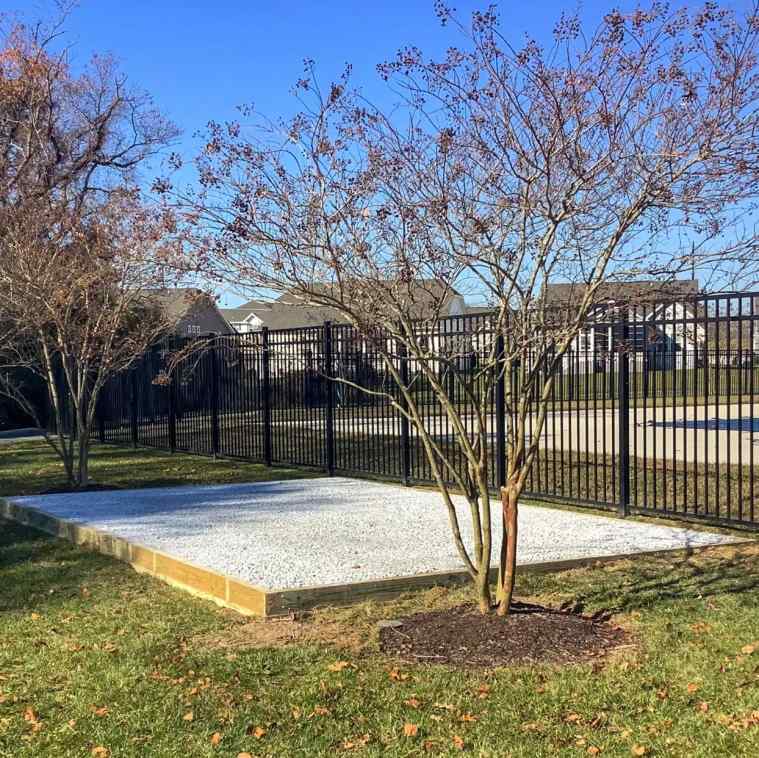
NEW YORK – Selecting the right foundation for a tiny or mobile home is crucial—it determines structural integrity, long-term stability, and mobility. The wrong choice can lead to uneven settling, costly repairs, and regulatory issues.
Foundation needs vary widely with soil, climate, local codes, budget, and whether you plan to relocate the structure. Many owners start with a simple gravel pad preparation, which provides excellent drainage and creates a stable base for various foundation systems above it.
Permanent Foundation Systems
Concrete slab foundations are durable, level bases ideal for tiny homes that will stay put. They resist moisture, add thermal mass for temperature control, and require professional installation, heavy equipment, and careful site prep.
Pier-and-beam foundations are a solid permanent option: concrete piers set at key points support wood or steel beams to elevate the structure. The underfloor gap promotes airflow, reducing ground-moisture issues. Here’s what makes this foundation type attractive:
- Superior ventilation
- Easier utility access
- Adjustable leveling
- Cost-effective installation
In hard-freeze regions, frost footings must extend below the frost line to prevent freeze–thaw heaving. Without proper depth, seasonal shifting can stick doors, crack windows, and separate walls—leading to major long-term damage.
Semi-Permanent Options
Concrete block foundations are semi-permanent: reinforced blocks form piers at corners and load points, needing little excavation and no pours—faster and cheaper than traditional options. They can be removed for relocation, though teardown takes effort.
Screw-pile foundations are increasingly popular for tiny homes: galvanized steel anchors screw deep into the soil, providing strong, stable support with minimal ground disturbance. They install quickly with specialized equipment, appealing to eco-minded builders. Key advantages include:
- Rapid installation
- Minimal site disruption
- Excellent load distribution
- Suitable for challenging terrain
Helical piles are similar but use larger helical plates for greater bearing in softer soils; both systems can be removed later if needed.
Mobile Foundation Solutions
Trailer frames are best for mobile tiny homes: purpose-built trailers offer proper weight distribution, axle capacity, and attachment points; standard utility trailers don’t. Consult site-prep specialists to ensure transport and building code compliance.
A trailer must be engineered for road stresses, transit wind loads, and balanced weight to prevent sway. Professional design is essential—cutting corners on the foundation creates serious safety risks. Consider these essential specifications:
- Proper tongue weight
- Adequate axle rating
- Certified welding
- DOT compliance
Skid foundations suit structures moved infrequently: heavy timbers run the length, allowing equipment to drag the building over flat terrain. Ideal for rural sites where only occasional repositioning is needed.
Making Your Decision
Choose a foundation based on your site, long-term plans, and budget—but don’t skimp, as cheap choices often cost more later. Consult tiny-house foundation specialists to meet codes, match soil conditions, and ensure stability, safety, and value for decades.