

Entering the Chunshan Tea Plantation in Linshu County, Linyi City, Shandong Province, rows of tea bushes stretch across the hills, lush and vibrant. Surrounded by greenery, the rich aroma of tea fills the air, offering a refreshing and tranquil experience. Established in 1976, the plantation covers more than 300 mu (approximately 20 hectares). As one of the earliest tea bases involved in the “South-to-North Tea Introduction” initiative, it is a large-scale operation integrating tea research, demonstration, promotion, cultivation, processing, production, and sales.
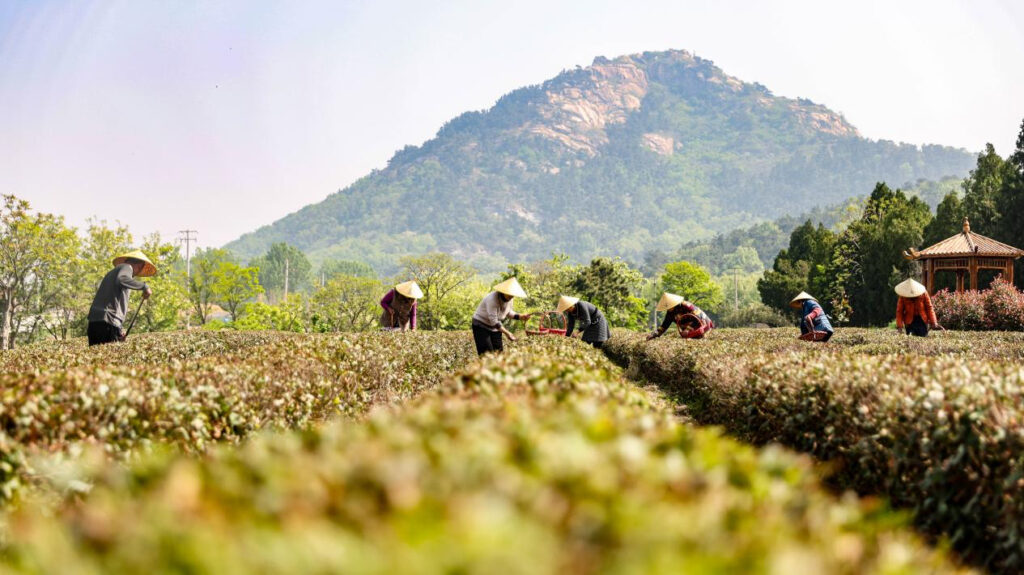
Chunshan Tea Plantation is located at the foot of the scenic Cangma Mountain and within the beautiful Yushan Tourist Area. The region features a pleasant climate, clear seasonal changes, and a favorable natural environment. According to Yuan Weicai, General Manager of the plantation, it currently operates four tea production bases, one standardized processing facility, and one tea research institute. Its main products include eight major series such as pan-fired green tea, black tea, yellow tea, and health tea, comprising 36 varieties across high-, mid-, and low-end categories. These products are sold in more than ten provinces and cities across China and are also exported to countries including Japan and South Korea.
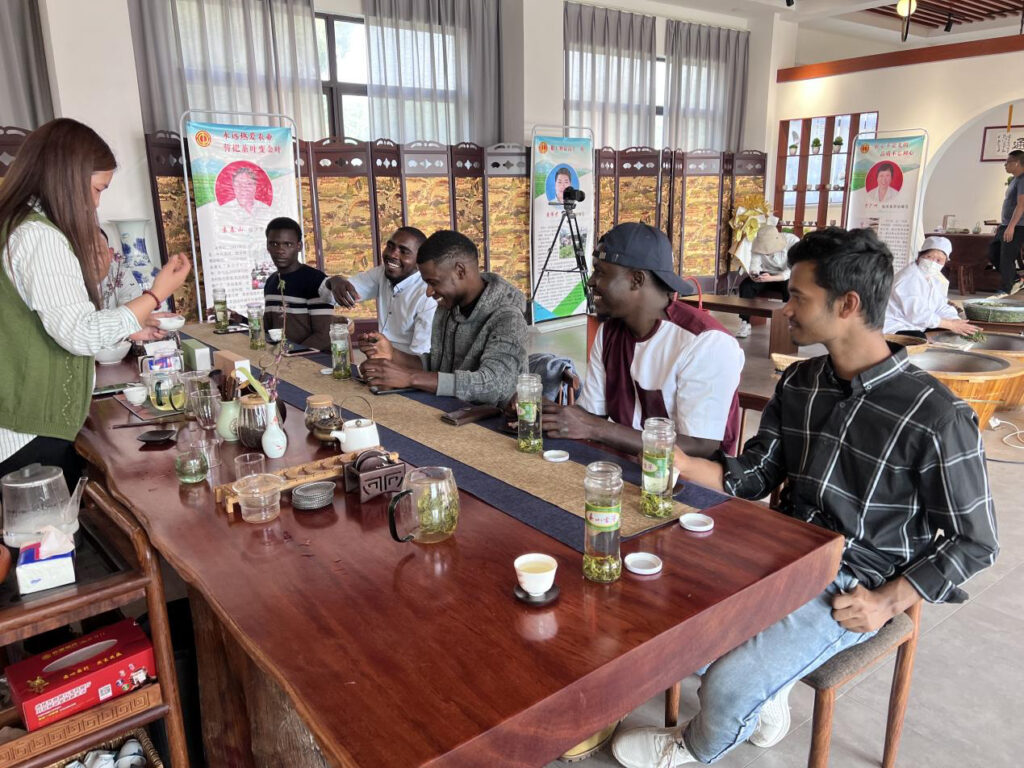
Chunshan tea is known for its long production season, thick leaves, tightly rolled and well-shaped appearance, bright green color, clear yellow-green infusion, mellow taste, strong aroma, and excellent reusability for multiple infusions. Its products have been recognized as one of the “Top Ten Famous Teas of Linyi City” and the “Top Ten Famous Teas of Shandong Province,” and have won first prizes multiple times in national premium tea competitions. At the 5th “Zhongcha Cup” evaluation, two products submitted by Yuan Chunshan—“Chunshan Xueya” and “Chunshan Xuejian”—both won first prizes, were rated as high-grade Chinese teas, and were included in the Chronicles of Chinese Famous Teas.
In recent years, Linshu County has leveraged its natural resource advantages. Building on traditional tea picking, processing, and sales, it has expanded the industrial chain by integrating tea culture, leisure, and wellness. This has promoted the coordinated development of primary, secondary, and tertiary industries, forming a high-quality development model characterized by the deep integration of tea, culture, and tourism, and driving shared prosperity.
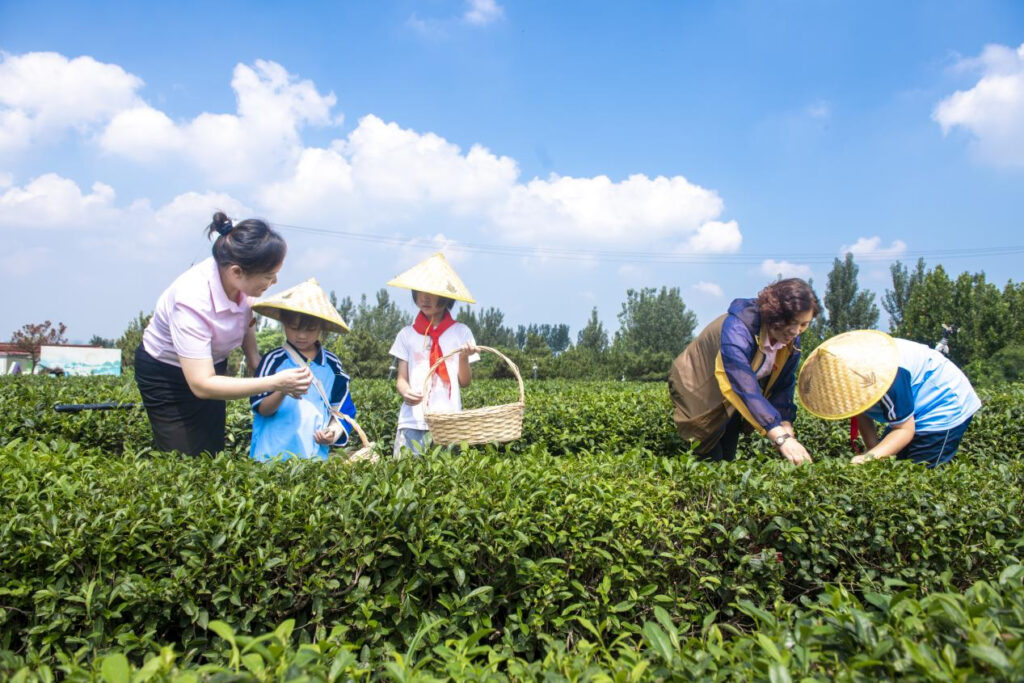
Relying on its tea industry resources and the tourism assets of the Cangma Mountain scenic area, the county has planned and developed a comprehensive tea industry park—the Chunshan Tea Expo Park. Centered on “tea industry + tea culture tourism” and featuring immersive experiences, the park integrates tea cultivation, processing, and sales with tea culture exhibitions and eco-tourism, forming a diversified tea-based ecological industry park. Since 2022, the park has focused on developing educational tourism programs, offering activities such as tea picking experiences, tea frying and tea art workshops, as well as educational programs on tea culture, attracting a large number of students and social groups.